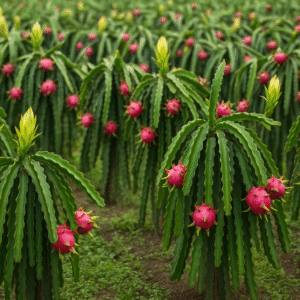
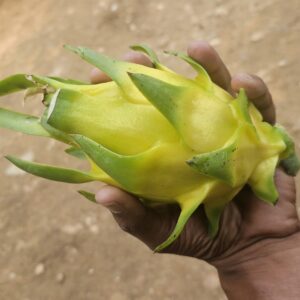
The fruiting stage of dragon fruit is the most rewarding yet most demanding phase of its cultivation. From the emergence of flower buds to the final fruit harvest, every action a farmer takes impacts the quality, yield, and sustainability of the crop.
At Kurela Agro Farms, we believe that this stage must be managed with science, experience, and care — not shortcuts. In this blog, we’ll walk you through the complete bud-to-harvest care protocol, helping you make informed decisions for a healthy, high-yielding dragon fruit farm.
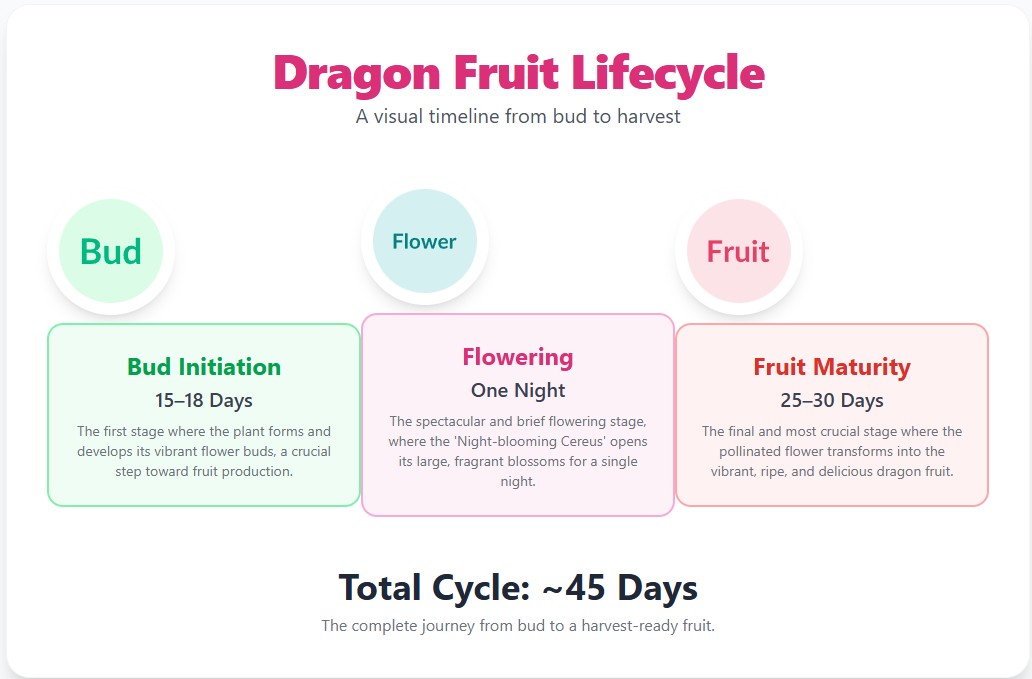
📅 Stage Timeline: Bud to Harvest
🌸 Why Fruiting Season Needs Special Attention
Dragon fruit plants are sensitive during flowering and fruiting. The plant has already spent energy pushing out buds, and now it needs optimal support to convert them into healthy, market-ready fruits.
Neglect or wrong practices during this time can result in:
Bud abortion
Premature fruit drop
Fungal attacks
Poor color or shape
Low sugar content (low Brix)
"Our experience shows that observing your plants daily and adjusting care protocols based on weather, plant response, and pest presence is key."
Here’s a general guideline that we use at Kurela Agro Farms. Adjust based on your weather, soil, and observations:
✅ Suggested Protocol for Fruiting Stage
1. Pre-Bud Stage (Bud initiation visible)2. Bud to Flower Stage3. Fruit Formation to Harvest
1. Pre-Bud Stage (Bud initiation visible)
Fertigation (Weekly):
13-0-45 (1.5–2 kg/acre)
Calcium Nitrate (1.5 kg/acre)
Magnesium Sulphate (1 kg/acre)
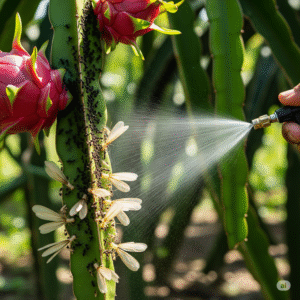
Spray (Weekly):
Boron (150 gm/acre) + Isabion (200 ml/acre)
Pest oil 1ml/ltr to repel sucking pests
Tip: Avoid urea or high nitrogen
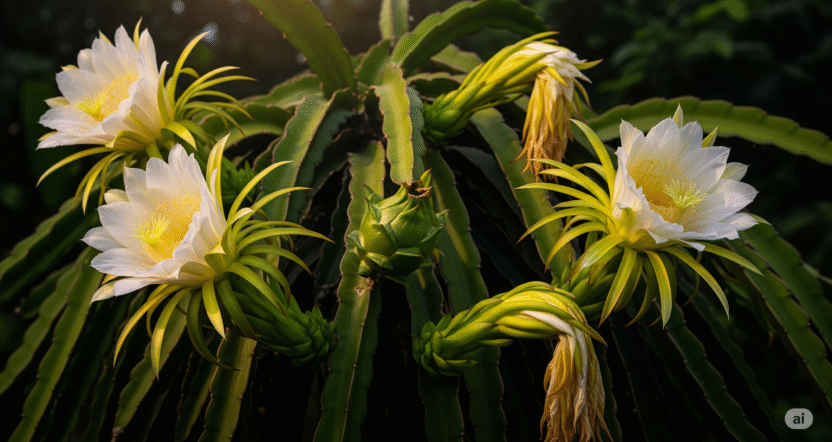
2. Bud to Flower Stage
Fertigation:
0-0-50 or 13-0-45 (alternate weeks)
Add Amino acids or Seaweed every 15 days
Spray:
Fungicide (alternate: Saaf/Plantomycin/Kavach based on rain risk)
Booster: Humic + Fulvic + Micronutrients
Observation Tip: Buds turning black or drying up = excess nitrogen, pest damage, or fungal infection
3. Fruit Formation to Harvest
Fertigation:
Calcium + Potash combo for firmness
Optional: Biofertilizers or cow dung slurry once a month
Spray:
Avoid harsh chemicals
Use organic oil-based sprays (Neem, Pongamia) if pest count is low
Other Care:
Keep grass trimmed under plants
Ensure shade nets don’t block light
Use mulching for moisture retention (not too close to stem)
🔍 Other Critical Factors to Monitor
✅ Bud-to-fruit ratio: If plant is pushing too many buds, consider removing weak ones manually to help plant focus on strong fruits
✅ Fungus Risk: Especially in rainy weather — apply timely copper or systemic fungicides
✅ Pest Control: Mealybugs, fruit borers, ants need continuous monitoring — don’t wait for damage to act
✅ Light & Shade: Adjust nets or remove plastic roofing if fruits are not coloring properly
✅ Market Planning: Start counting your expected harvest 15 days after full bloom — reach buyers early for best price
🧠 Practical Advice from Kurela Agro Farms
We’ve noticed:
Overwatering = fungal problems
Overfeeding = bud abortion
Overspraying = blocked pollination
Instead, listen to your plants. Use your eyes, hands, and common sense. When in doubt, spray less and feed smarter.
Contact US
We don’t just sell plants — we help build successful farms.
From layout to last harvest, we guide you with systems that are already working in the field.